What kind of storage would nowadays be good for swap partitions (Linux, Windows)? If NVMe SSD is used, how will this impact longevity?
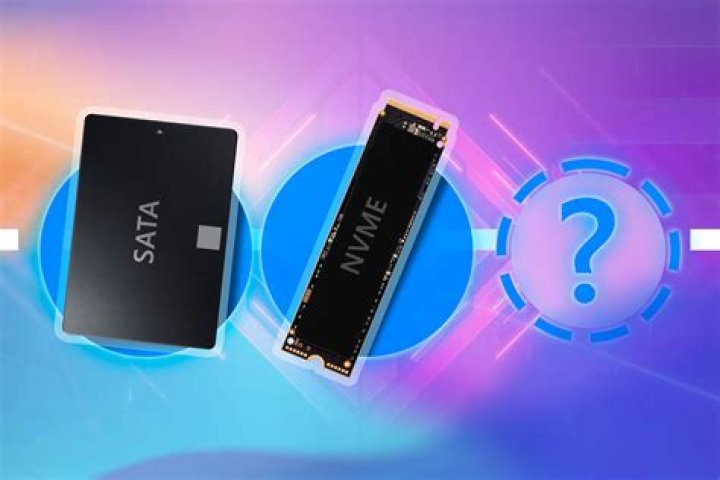
Does it still make sense to use a good old magnetic disk for this purpose, maybe a RAID 0 configuration?
21 Answer
What kind of storage would nowadays be good for swap partitions (Linux, Windows)?
SSDs, preferably NVMe.
If NVMe SSD is used, how will this impact longevity?
No it does not.
Long answer. Let's recap our memory.
You only need as much memory as you use. Except when there is caching going on, then more memory is better, and caching will improve speed.
Not having enough memory will crash programs. Operating systems use swap or page files to prevent this, by using a drive as memory. With swap, it'll perform a lot swapping.
Hard disk drives (HDD) are slow to read, slower to write. They should theoretically last forever, but they have a limit.
Solid state drives (SSD) are fast. NVMe variants are much faster. They are known for limited life-span (write span), but the technology has improved to the point that they would last longer than their hard disk counter-parts in similar usage.
With HDDs, swap has potential to cause thrashing, where you computer becomes a snail.
With SSDs, it is fast enough to not cause thrashing.
Swap is not a replacement for active/intensive RAM. Swap is slower, write-limited extra RAM for non memory-intensive purposes, like inactive data that you don't want removed from memory eg. loaded websites or IDE instances.
Conclusion
You should put swap only on SSDs. Put it on HDD only if you are willing to accept the potential for thrashing, in return for more swap space. If you are still worried about SSD's lifespan, use "scratch SSD" that you can replace regularly, but I recommend trying to reduce swapping first, by eg. having more RAM.
3