Using `find` for multiple file extensions
I am using the following command for counting the lines of text in JAVA files:
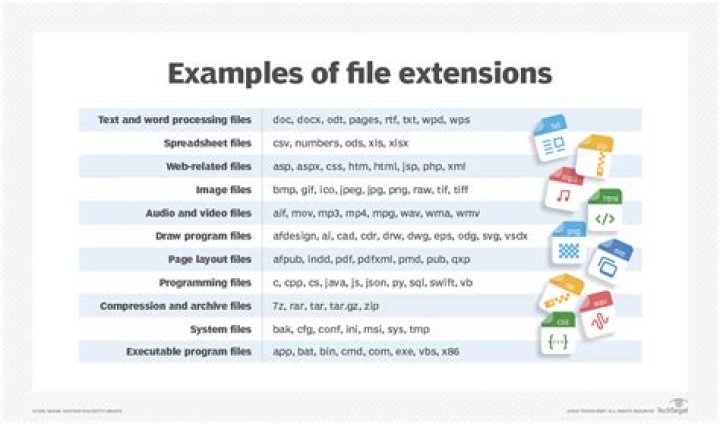
find . -name '*.java' | xargs wc -lHow can I modify the find command parameters to match more than one file extension? For example, I would like use the above operation for CPP, C, and H files.
5 Answers
Use the -o option for an OR. For example, this would list .cpp, .c and .h files:
find . -name \*.cpp -o -name \*.c -o -name \*.hYou will need to use the -o option. For example the statement below finds all png, jpg and gif files in a folder.
find . \( -iname \*.png -o -iname \*.jpg -o -iname \*.gif \)I use the -iname option so that the match is case insensitive.
1$ find /path/ -name '*.cpp' -or -name '*.c' -or -name '*.h'The “-or” says I’m looking for either/both of two sets.
I recently wrote a quick guide to using find with boolean operators here:
While all answers are more or less the same, I don't find them readable with multiple name and Boolean operators in-between.
I think this may be more elegant solution:
$ find . -type f | grep -E "\.java$|\.cpp$|\.c$"Let's break this up
find .finds all files recursively in current path (change to some other path if you need)-type fnarrows the search only to files (not too much of a speed gain, but still...)| grep -EI used this to get grep recognize or (|) operator in Mac OS X which uses FreeBSD grep, GNU grep does not need that (check in yourmanfile)."\.java$|\.cpp$|\.c$"regular expression which includes files whose name ends with.java,.cpp, and.c(add ones you need)
You can then pipe the resulting list for further processing, e.g.
$ find . -type f | grep -E "\.java$|\.cpp$|\.c$" | xargs sed -i '' $'/s/\r$//'This example removes DOS/Windows CRLF line ending for OS X/Linux LF (this is also OS X sed syntax, check for your version specifics).
Use
find path/to/dir -name "*.ext1" -o -name "*.ext2"Explanation
- The first parameter is the directory you want to search.
- By default
finddoes recursion. - The
-ostands for-or. So above means search for this wildcard OR this one. If you have only one pattern then no need for-o. - The quotes around the wildcard pattern are required.