How does Dell's Pre Boot System Diagnostics "resolve" memory errors?
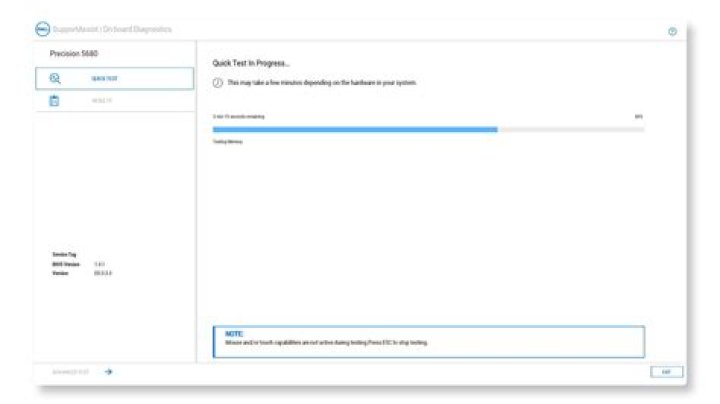
I ran Dells ePSA on my laptop (Inspiron 17R SE) and the result was
"Memory errors detected, but successfully resolved"
I believe memory errors are a hardware issue, is there any explanation on how system diagnostics "resolves" memory errors?
The laptop is a consumer laptop and hence does not contain ECC memory.
Image of error:
1 Answer
Memory errors detected, but successfully resolved
The only reference I can find for "Memory errors detected, but successfully resolved" is in the Event and Error Message Reference Guide for 13th Generation Dell PowerEdge Servers Version 2.0:
DIAG0121
Message Memory errors detected, but successfully resolved.
Detailed Description
Recommended Response Action MemRx is enabled and repaired all memory errors that were found. DIMM replacement is optional.
Category System Health
Subcategory DIAG = Diagnostic
Although this document is for Dell Servers it gives us a clue:
MemRx is enabled and repaired all memory errors
The reference to MemRx enabled me to find:
The latest addition to the ePSA diagnostics is the MemRx tool, the MemRx tool will be factory installed on all new client machines that ship out post April 2012.
The MemRx Tool is embedded into the ePSA (Enhanced Pre-Boot System Assessment) diagnostics. It will auto run when the memory testing portion of the tools are run.
The tool will identify and mask defective blocks on the memory provided the failures are contained within 50, 4k bytes, without any user intervention.
In a system which ships with more than one memory module, there is no way of isolating the faulty memory module, without opening the system and running the tool on each memory module individually. The tool will not be able to identify which memory module has failed on its own.
The features of the MemRx tool are listed here:
- MemRx is a tool that can successfully repair and ignore defective memory areas by masking the address from system usage.
- It requires a UEFI version of ePSA, this information is displayed at the lower right hand corner of the ePSA screen
- The technology is similar to HDD repair utilities (like checkdisk or scandisk).
- BitSmart & Fault Tolerant Memory compatible, which means it is compatible with RAM that can fix errors automatically.
- It is independent of DIMM isolation, which means that the tool cannot identify which DIMM is failing on its own.
Source