Does motherboard or processor or both decide the ram generation/type and frequency?
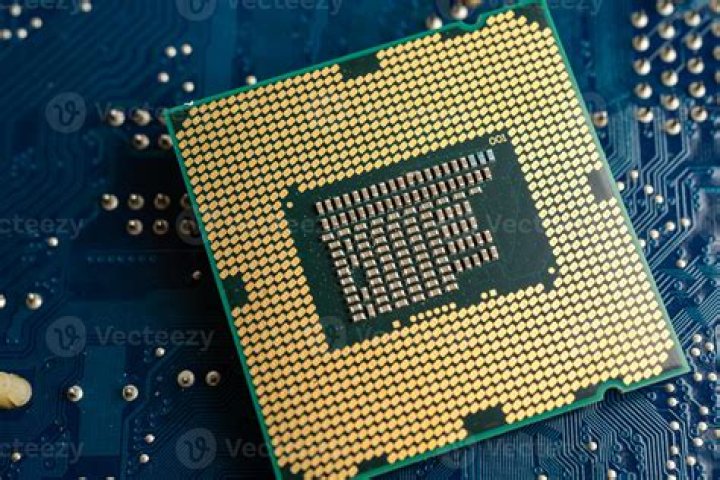
As far as I know, the type and frequency of the memory supported by a computer depend on both the motherboard and the CPU plugged into the motherboard. But I have seen this page of Intel HM370 chipset and it has no mention of Memory type or frequency?
Does not the type and frequency of the memory depend on motherboard/chipset or incase of laptops it different as they are SoC??
Could someone clarify??
Observation: This Intel® Desktop Board DQ87PG, speaks about the type and frequency of the memory as I would expect.
1Max Memory Size (dependent on memory type) - 32 GB
Memory Types - DDR3 1333/1600
1 Answer
Technically it is the CPU that determines the compatibility with the RAM in terms of frequency and maximum size. However, the motherboard's chipset (along with its CPU socket type) limits which CPUs can be used, and so indirectly it also effects compatibility with the RAM. Likewise, by limiting the number of RAM slots on the motherboard (usually as a cost or space saving measure), it's possible to prevent a system from ever reaching the maximum size of RAM supported by the CPU.
Using your Intel® Desktop Board DQ87PG as an example, it uses the Q87 Chipset. This is a list of processors compatible with that chipset. If you click on every compatible processor in that list, you'll see that every single one either supports DDR3 1333 or DDR 1600. By knowing which CPUs are compatible with their motherboard, a manufacturer is then able to build a list of potentially supported RAM speeds. Depending on the manufacturer, the specification for the motherboard may contain a note similar to the following: "The maximum memory frequency supported varies by processor"
2